Popcorn, Granola, and Jerky Walk Into a Spice Market: The Indian Flavor Takeover of American Snack Staples
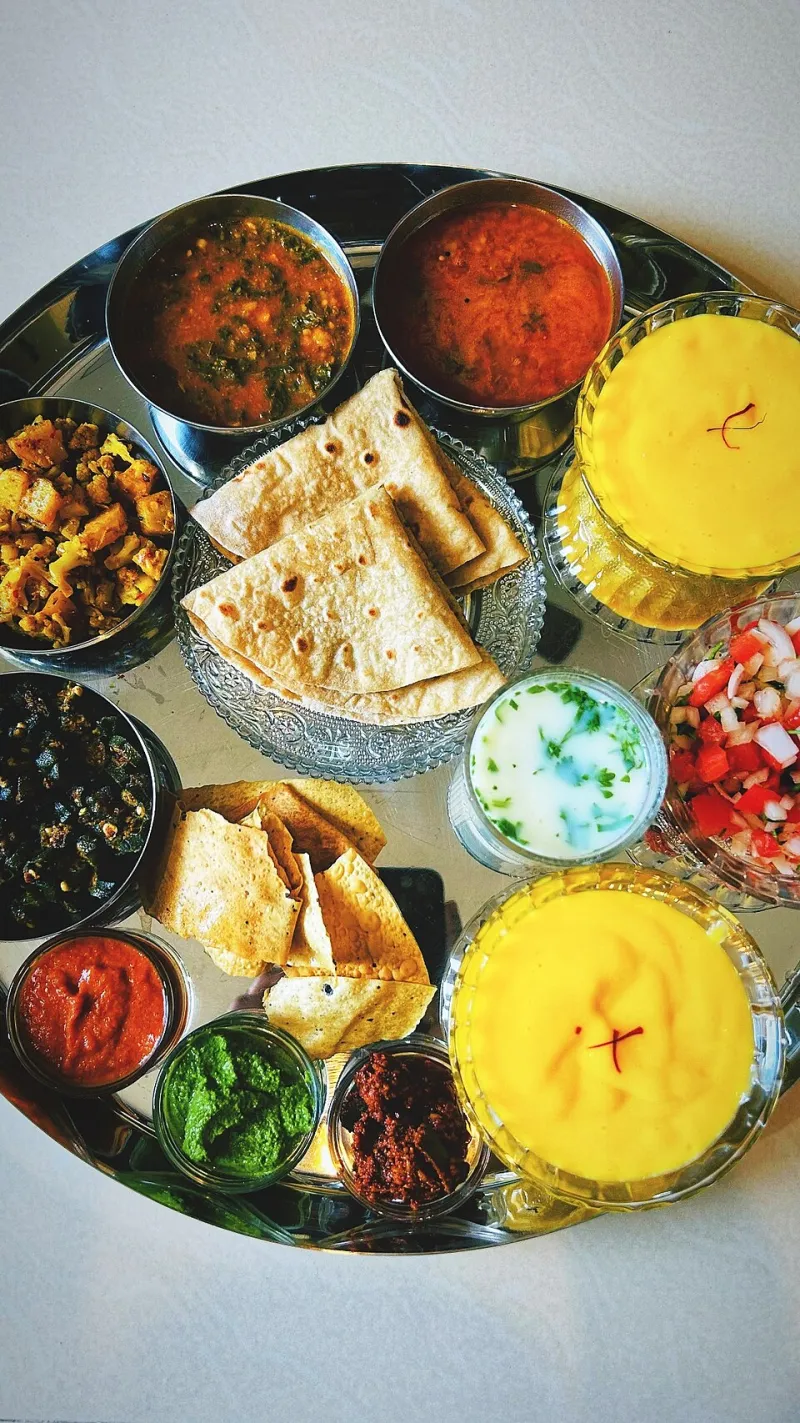
Photo: Shubhanshri01, CC BY-SA 4.0, via Wikimedia Commons
There's a bag of popcorn sitting on a shelf at a Whole Foods in Austin, Texas. It's dusted in cumin, amchur, and a whisper of Kashmiri chili. The brand behind it is a two-year-old startup out of New Jersey, founded by a second-generation Indian-American who got tired of choosing between the snacks she grew up with and the ones her coworkers brought to meetings. The bag is selling out every Thursday restock.
This is the Great Spice Swap — and it's not a marketing gimmick. It's a full-on reformulation of what American snacking looks like, led by a growing wave of brands, home cooks turned entrepreneurs, and even legacy food companies quietly testing the waters. Indian spices aren't just appearing in Indian snacks anymore. They're colonizing the formats Americans already love.
Why Now?
Food trend forecasters have been predicting the "Indian flavor moment" in American mainstream food for at least a decade. What's actually changed is the consumer. Gen Z and younger millennials didn't grow up eating Indian food as exotic — they grew up eating it as Tuesday night takeout. The cultural familiarity is there. So is the appetite for complexity.
"People are bored," says one product developer at a mid-sized snack brand who asked to remain unnamed because the product line isn't officially announced yet. "Buffalo and ranch had a forty-year run. Sea salt and vinegar is played out. Consumers want something that actually makes them think about what they're eating. Indian spice profiles do that."
She's not wrong. Spice blends like chaat masala, garam masala, and peri-peri-adjacent Indian regional seasonings offer layers — sour, funky, warming, bright — that single-note Western flavors simply can't replicate. That complexity is increasingly being recognized as a feature, not a barrier.
The Formats That Are Working
Popcorn is perhaps the most natural landing spot for Indian spices. The neutral, airy base absorbs seasoning beautifully, and Americans already accept adventurous popcorn flavors without blinking. Brands experimenting with turmeric-black pepper, coriander-lime, and even a tamarind caramel blend have found receptive audiences, particularly at farmers markets and specialty grocery chains.
Granola is a trickier canvas — but when it works, it really works. A handful of startups have leaned into cardamom, saffron, and dried rose petal combinations, targeting the wellness-forward consumer who's already buying golden milk lattes. The pitch isn't "Indian food" so much as "warming spices with ancient roots," which, honestly, lands differently for a certain buyer. A consumer taste test run informally at a Brooklyn food market last spring found that cardamom-pistachio granola outperformed a classic honey-almond version among first-time tasters — though several respondents admitted they'd never have picked it up based on the name alone.
Jerky and meat snacks are where things get genuinely interesting. The savory, chewy format maps surprisingly well onto Indian marinades — think tandoori-spiced turkey jerky or a lamb jerky rubbed with a blend that reads like a rogan josh spice kit. A few brands have gone there, with mixed results. The ones that succeed tend to lean into the familiar rather than the technical: "smoky and spiced" rather than "fenugreek-forward."
Chips and crisps are arguably the most competitive space. The challenge here isn't consumer willingness — it's differentiation. When every brand has a "masala" chip, the label loses meaning fast. The brands cutting through are the ones being specific: not "Indian spice" but "Kolkata kathi roll seasoning" or "South Indian rasam blend." Specificity, it turns out, signals authenticity to a consumer who's done their homework.
Where It Falls Flat
Not everything is working. Taste tests and social media feedback tell a consistent story about a few combinations that miss the mark.
Asafoetida — hing — is one of the most beloved spices in Indian home cooking and one of the hardest to translate into American snack formats. Its pungent, onion-garlic depth is transformative in dal; in a potato chip, it can read as simply off-putting to an uninitiated palate. Several brands that have tried to feature it prominently have pulled back, relegating it to supporting-cast status in blends where it does its best work quietly.
Overly sweet interpretations of Indian spices also tend to disappoint on both sides. Putting cardamom in a white chocolate coating and calling it "Indian-inspired" is the kind of move that frustrates Indian-American consumers without fully winning over mainstream buyers either. Authenticity — or at least the credible gesture toward it — matters.
"The products that fail are usually the ones where the spice is a costume," says one food blogger who covers the intersection of South Asian and American food culture. "You can tell when a brand just sprinkled some turmeric for the color and called it a day."
The Diaspora Factor
It's worth noting who's actually buying a lot of these products — and it's not only adventurous non-Indian consumers. Indian-Americans are a significant and often overlooked market for these crossover snacks, particularly second-generation buyers who want something that bridges the world they grew up in with the snack culture they navigate every day.
For this buyer, a chaat masala popcorn isn't exotic — it's nostalgic in a new wrapper. It's the flavor of their grandmother's kitchen meeting the format of their office snack drawer. That emotional resonance is powerful, and the smartest brands are quietly building for it.
What This Means for the Snack Aisle
The Great Spice Swap isn't a trend with an expiration date. It reflects something more durable: a genuine shift in American palates and a consumer base that's more curious, more globally connected, and more willing to be challenged by their snacks than any previous generation.
For brands willing to do the homework — to understand regional Indian flavor profiles, to work with Indian-American product developers, to resist the urge to sand off every sharp edge — the opportunity is real. For those looking for a shortcut, the snack aisle will sort them out soon enough.
In the meantime, that popcorn in Austin is still selling out every Thursday.