More Than a Market: The Indian Corner Store That Became the Heart of the Neighborhood
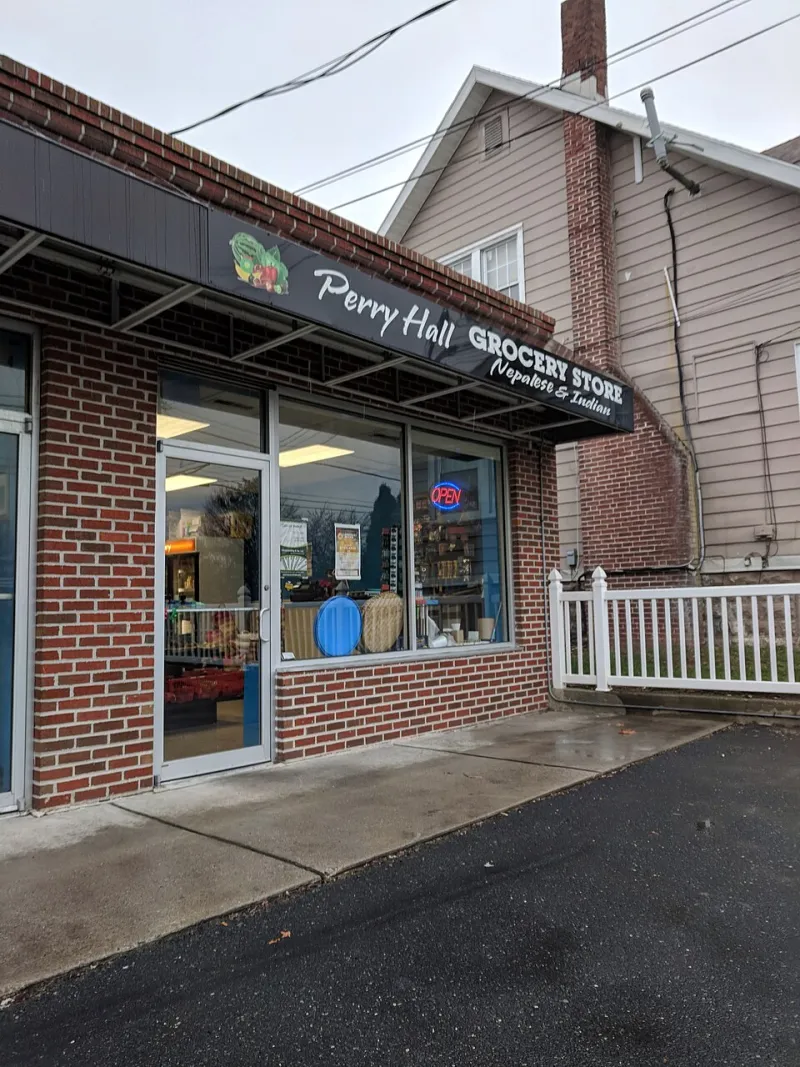
Photo: Bohemian Baltimore, CC BY-SA 4.0, via Wikimedia Commons
On a Saturday morning in Artesia, California — a stretch of Pioneer Boulevard that locals call "Little India" — the parking lot outside Bharat Bazaar fills up before ten. Inside, the fluorescent lights hum over towers of lentil chips, towers of snack tins, and refrigerated cases full of fresh paneer. But the real action is in aisle three, where the owner, Harish Patel, is explaining to a young woman in her late twenties why the specific brand of chakli she's looking for is back-ordered, what he'd recommend instead, and — unprompted — whether she's tried the new batch of Gujarati farsan that came in on Thursday.
The conversation lasts eleven minutes. No money changes hands. Harish knows her name. He knew her parents when they first moved to the area.
This is what a certain kind of Indian grocery store in America actually looks like — and it has very little to do with the transactional, efficiency-optimized experience of buying snacks online.
The Store as Institution
The Indian specialty grocery store has been a fixture of South Asian immigrant life in the United States for decades. In cities like Chicago, Houston, Edison (New Jersey), Fremont (California), and Atlanta, these shops predate the internet, predate e-commerce, and in some cases, predate entire generations of the communities they serve.
What they offer goes well beyond inventory. For newly arrived immigrants navigating an unfamiliar food landscape, these stores function as orientation centers. For second-generation families trying to maintain connections to regional food traditions, they're reference libraries. For elderly community members who find online shopping bewildering or impersonal, they're the only option that feels like home.
"People don't just come here to buy things," says Kamla Desai, who has run a small Indian grocery in the Atlanta suburb of Decatur for nineteen years. "They come to talk. They come to ask questions. Last week a woman came in and spent forty-five minutes asking me about which snacks are appropriate to serve at a mundan ceremony. I don't think you can Google that and get a real answer."
She's probably right. The specificity of Indian food culture — the regional variations, the religious considerations, the occasion-specific traditions that vary not just by state but sometimes by community or caste — is the kind of knowledge that lives in people, not databases.
The Advisory Function
One of the least visible but most significant roles these stores play is that of informal dietary advisor. Indian food culture encompasses a staggering range of dietary practices: strict vegetarianism, veganism, Jainism (which prohibits root vegetables), specific fasting foods for various religious observances, regional ingredient preferences, and health-based restrictions that are often layered on top of religious ones.
Navigating this complexity in a mainstream American grocery store is nearly impossible. Even large Indian grocery chains sometimes lack the granular knowledge to guide a customer through the specific requirements of, say, a Navratri fast versus a Ekadashi fast — which snacks are appropriate, which contain hidden ingredients that would violate the observance, which brands can be trusted.
In a well-run family store, that knowledge is just there. It's in the owner, the staff, sometimes in the regular customers who overhear a question and chime in.
"I've had customers call me from the aisle," says Vikram Shah, who runs a store in the Chicago suburb of Naperville. "They're at a Walmart or a big Indian chain, and they call me to ask if a certain product is okay for what they need. They trust me more than the label."
Snacks as Entry Point
It's worth pausing on the role snacks specifically play in all of this. In many Indian grocery stores, the snack section is the most browsed, most discussed, and most emotionally charged part of the store. It's where the nostalgia lives.
Unlike staple ingredients — rice, lentils, flour — snacks are tied to specific memories and occasions in ways that are deeply personal. The particular brand of sev that tastes like a grandmother's kitchen. The chakli that only shows up during Diwali season. The murukku that someone's family has been buying from the same manufacturer for thirty years.
Owners know this. The best of them curate their snack sections not just by what sells, but by what their specific community needs.
"I stock things based on who lives here," says Kamla. "I have a significant Tamil community, so I keep South Indian snacks that you won't find at a general Indian grocery. I have customers from Gujarat, from Maharashtra, from UP. I try to have something for everyone. That's not something you can automate."
The Gathering Space
In some stores, the social function has become almost formalized. Weekend mornings bring clusters of aunties comparing notes on which brand of namkeen is better this season. Older men linger near the chai station — if there is one — discussing cricket or local community news. Kids trail behind parents, angling for a snack.
During festival seasons, these dynamics intensify. In the weeks before Diwali, stores like Bharat Bazaar become something close to community event spaces. People come not just to shop but to browse, to run into neighbors, to argue pleasantly about the best mithai, to feel the collective anticipation of a shared celebration.
"During Diwali, I see people I haven't seen all year," says Harish. "They come in, they stay for an hour. They're not just shopping. They're celebrating together."
What E-Commerce Can't Do
The rise of online Indian grocery and snack delivery has not, as many feared, killed these stores. It's done something more complicated: it's clarified what they're actually for.
The customers who were purely transactional — who wanted the cheapest price on a specific item with minimum effort — have largely migrated online. What's left in the physical store is something more interesting: the customers who want the experience, the conversation, the serendipitous discovery of a new product recommended by someone who knows their taste.
"Online is good for what you already know you want," says Vikram. "My store is good for finding out what you didn't know you needed."
That distinction — between known needs and unknown ones — might be the most honest summary of what these stores offer. They're not competing with e-commerce on price or convenience. They're offering something else entirely: the accumulated cultural knowledge of a community, accessible in person, in real time, from someone who actually knows you.
Back in Artesia, Harish is now in a conversation with a different customer — an older man asking about a specific type of farsan from a small producer in Gujarat. Harish doesn't have it in stock, but he knows who might. He picks up his phone to make a call.
No app does that.